




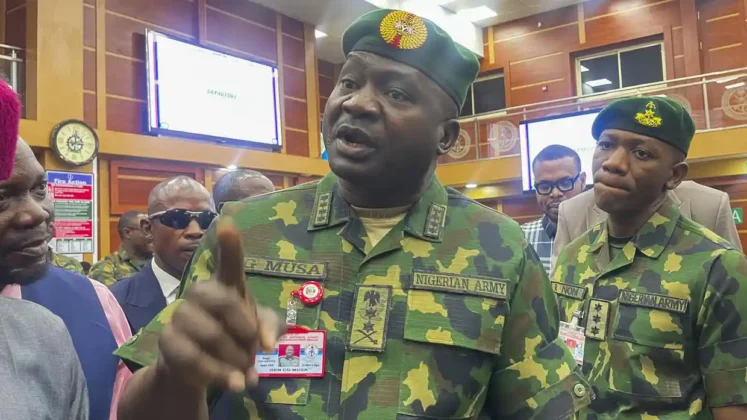

In a recent development that has sparked public outcry, the High Commission of Canada in Nigeria denied a visa to Nigeria’s Chief of Army Staff and Chief of Defence Staff (CDS), General Christopher Musa.
The denial has been described as disrespectful by many Nigerian leaders, including Senator Ali Ndume, who represents Borno South Senatorial District. Ndume shared his perspective during an interview on Channels Television’s Sunday Politics, expressing that Nigerian leaders should focus on improving conditions at home rather than traveling abroad. He further emphasized the importance of self-respect, especially when engaging in international relations. Visa Denial Incident:
What Happened?
Gen. Christopher Musa was scheduled to attend an event in Canada honoring fallen Nigerian heroes. However, the Canadian embassy denied his visa application, a move that has been perceived as disrespectful to Nigeria, especially given the country’s long-standing contributions to international peacekeeping efforts.
The incident has raised questions about diplomatic protocols and the respect afforded to high-ranking officials from Nigeria. Senator Ali Ndume’s Reaction During his interview, Senator Ndume highlighted several key points regarding the visa denial:
Disrespect to Nigeria:
Ndume acknowledged that the denial of a visa to a high-ranking official like the Chief of Defence Staff is a form of disrespect. “HOW CAN THE CDS OF NIGERIA, A COUNTRY THAT IS KNOWN AND THE MOST POPULOUS AND RANKED TOP, AND WE HAVE BEEN CONTRIBUTING TO INTERNATIONAL ENGAGEMENTS, BE DENIED A VISA?” HE ASKED.
The Need for Self-Respect:
He emphasized that Nigerian leaders must first respect themselves by prioritizing the development and stability of their country.
According to him, too much time spent traveling abroad reflects poorly on the country.
Staying in Nigeria:
Ndume encouraged Nigerian leaders to remain at home and focus on national development rather than seeking international validation. He added: “FOR THE PAST 15-20 YEARS, I’VE BEEN IN THE NATIONAL ASSEMBLY. I DON’T GO ANYWHERE. I DON’T NEED TO GO ANYWHERE. NIGERIA IS MY COUNTRY.”
Communication with Canada: Ndume suggested that proper communication and formal invitation letters should have been used in advance to avoid the situation.
Comparative Analysis: Nigeria’s Global Standing and Visa Policies To better understand the diplomatic implications of the visa denial, it’s essential to examine Nigeria’s contributions to international peacekeeping efforts and the broader challenges surrounding visa approvals.
Factor Nigeria’s Contributions Canada’s Stance Peacekeeping Missions Contributed thousands of troops to UN peacekeeping Acknowledged Nigeria’s peacekeeping contributions Diplomatic Relations Long-standing bilateral relations with Canada Visa denials remain common for many officials Visa Approval Process Requires proper documentation and communication Strict scrutiny for high-ranking officials Respect for Sovereignty Nigeria expects mutual respect in diplomatic ties Canada follows strict national security protocols.
While Nigeria has made significant contributions to global peace and stability, visa denials continue to create friction between the two nations
Other Reactions to the Incident National Security Adviser (NSA) Nuhu Ribadu’s Response NSA Nuhu Ribadu expressed frustration over the visa denial, describing it as both “painful and disrespectful.” However, Ribadu emphasized that Nigeria remains strong and peaceful despite the diplomatic setback. Public Opinions Many Nigerians have taken to social media to criticize the Canadian government for its actions.
Some have called for a review of Nigeria-Canada diplomatic relations, while others believe that Nigerian leaders should focus on strengthening local institutions before seeking international recognition.
Historical Context: Similar Incidents of Visa Denials for high-ranking Nigerian officials are not new. Over the years, several prominent figures have faced similar situations: Year Official Denied Country Reason for Denial 2023 Military Commander United States Incomplete documentation 2021 Governor of Northern State United Kingdom Alleged human rights concerns 2019 Minister of Finance Canada National security concerns These incidents highlight the challenges Nigerian officials face when traveling abroad, often due to strict visa policies and international scrutiny. Implications of the Visa Denial.
- Diplomatic Tensions The visa denial may lead to strained relations between Nigeria and Canada. High-profile incidents like this often trigger calls for diplomatic reviews and consultations.
- Impact on International Engagements Events meant to honor Nigeria’s contributions to peacekeeping may be affected if Nigerian officials face travel restrictions. This could diminish Nigeria’s visibility on the global stage.
- Domestic Sentiment The incident has fueled debates about self-sufficiency and the need for Nigerian leaders to focus more on domestic issues. Many citizens are now calling for leaders to prioritize local development over international engagements
Senator Ndume’s Recommendations To prevent future incidents, Senator Ndume offered the following recommendations:
Improved Communication:
Proper documentation and advance communication should be prioritized when planning international trips for high-ranking officials.
Staying Home:
Leaders should minimize unnecessary international travel and focus on addressing national challenges. Strengthened Diplomatic Relations: Nigeria should work to strengthen its diplomatic ties with Canada and other countries to avoid similar situations.