



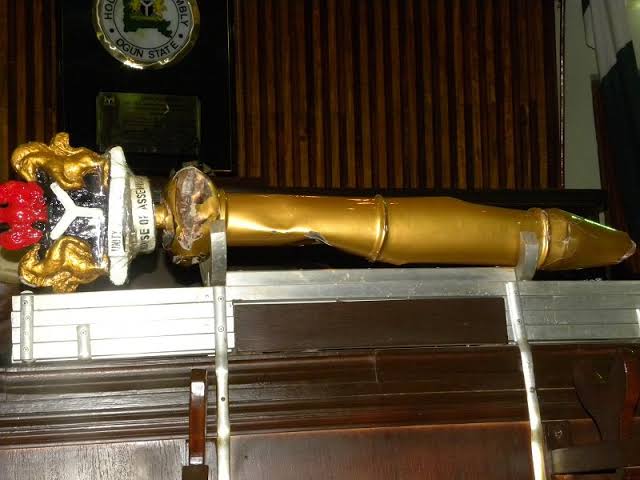

On June 30, the Delta State House of Assembly sparked intense legal debate after the Speaker declared the Udu Constituency seat vacant following lawmaker Collins Egbetamah’s defection from the APC to the NDC .
Yet, only months earlier, that same legislative leadership and twenty-one other lawmakers defected from the PDP to the APC without losing a single seat .
This glaring double standard exposes the deeply transactional nature of Nigerian democracy.
Political defection—or cross-carpeting—has become a defining trait of a political class that views party logos as mere vehicles to power and the law as a weapon to punish opponents.
Because Nigerian political parties lack distinct ideologies, politicians switch sides with zero moral friction.
It is rarely a conversion of belief; it is always a relocation of convenience.
The architects of our 1999 Constitution attempted to curb this opportunism under Sections 68 and 109, which mandate that defectors must forfeit their seats . However, the law contains a massive loophole, allowing lawmakers to retain their seats if their original party faces a "factional crisis."
Today, that loophole is heavily weaponized.
When powerful majorities defect, they easily manufacture a crisis shield.
But when an isolated minority lawmaker leaves, the legislative gavel falls, and their seat is declared vacant .
The ultimate victim here is the Nigerian voter.
When politicians defect with mandates won under a specific party banner, they effectively disenfranchise the citizens who braved election lines.
To safeguard our democracy, systemic reforms must happen now.
First, we must strip legislative speakers of the power to declare vacancies and hand that authority directly to the Federal High Court.
Second, we must enforce a strict "Return to Sender" rule—clarifying that votes belong to the political party, not the individual. Anyone who leaves their sponsoring party must resign and face a fresh by-election.
Nigeria’s democracy cannot survive indefinitely on a diet of opportunism.
Until the revolving door of power is securely locked, a government truly of, by, and for the people will remain a distant mirage.
