





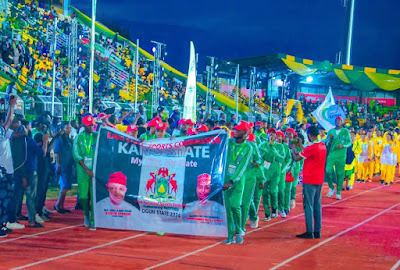
The nation remains in deep mourning following the tragic loss of 22 young Nigerian athletes and officials who perished in a fatal road crash on May 31 2025, while returning from the 22nd National Sports Festival (NSF), held in Abeokuta, Ogun State. What was meant to be a celebratory return for the Kano State contingent turned into a national tragedy.
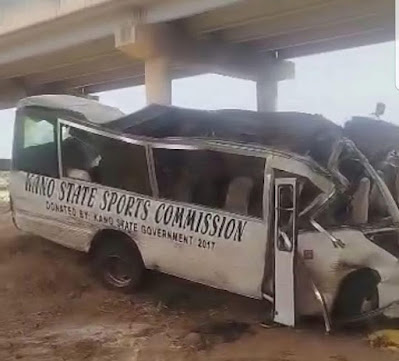
The ill-fated vehicle, reportedly carrying 30 passengers—including adolescent athletes, coaches, medical personnel, state officials, and a journalist—was making the over 1,000-kilometre journey back to Kano when it veered off course and crashed near Dakatsalle Bridge, within Kura Local Government Area, approximately 40 kilometres from the state capital. Survivors have claimed that the bus, said to be more than 30 years old, suffered multiple mechanical failures during the trip and had been in visibly poor condition before departure.
The incident has drawn widespread condemnation and renewed scrutiny over the safety measures (or lack thereof) surrounding state-sponsored transport for national events. Kano State’s commendable medal haul of 29 from the competition now lies eclipsed by a tragedy that, many argue, could have been wholly avoided.
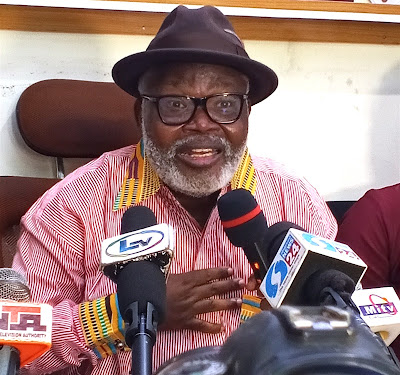
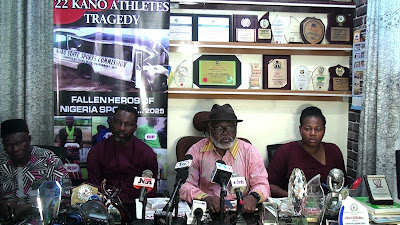
At a press conference held in Lagos on Tuesday, 3 June 2025, Comrade Joseph Evah, former President of the Nigeria Skating Federation and Coordinator of the Ijaw Monitoring Group (IMG), launched a scathing rebuke against the Kano State Government, accusing it of gross negligence in the handling of logistics for the state's athletes.
“This was not an accident—it was the result of systemic negligence,” Evah declared. “We are in a period of mourning, not just for these 22 promising youths, but for what their deaths represent: the continued failure of our leadership to prioritise the lives and futures of Nigerian children.”
Drawing upon first-hand accounts from survivors, Evah revealed that the vehicle had suffered repeated breakdowns throughout the journey, pointing to what he described as administrative recklessness in assigning a decades-old bus for such a critical trip.
“What state, particularly one as wealthy and culturally esteemed as Kano, sends its youth over a thousand kilometres in a bus that should have been decommissioned years ago?” he asked. “Would the same vehicle be used to transport politicians on campaign tours? Would it be used for a state function?”
Evah further criticised the government’s response to the tragedy, particularly its decision to offer ₦1 million in compensation to the families of each deceased athlete. He described the gesture as deeply inadequate and offensive, especially in light of well-documented government spending on less urgent priorities.
“One million naira is not compensation—it is an insult,” he said. “Politicians waste billions on extravagant lifestyles, yet families who lost children representing their state are handed envelopes and platitudes. Where is the dignity in that?”
He called upon the Governor of Kano State, Abba Yusuf, and the Chairman of the National Sports Commission, Mallam Shehu Dikko, to pay personal condolence visits to the bereaved families and to provide more meaningful reparations. Evah also demanded the construction of a permanent memorial to honour the 22 fallen athletes.
Referencing his past advocacy during the 2011 killing of NYSC members in Bauchi State, Evah underscored the importance of media and civic engagement:
“In this country, life is cheap unless people rise and demand accountability. When we protested the killings of youth corps members, the government was forced to act. We must not allow this tragedy to fade into silence.”
Rachael Nwabi, of the National Association of Ijaw Female Students Alumni, echoed these sentiments. She questioned the value placed on the lives of youth athletes and called for the construction of a national monument bearing the names of the deceased, ideally within a stadium, to immortalise their sacrifice and inspire future generations
.
“What does ₦1 million mean to a mother who sent her son to represent his state, only to receive a death notice in return?” she asked. “At the very least, visit these families. Show them that their loss has been acknowledged.”
Chief Elijah Andrew, Chief of Staff of the Ijaw Monitoring Group, added a sharp critique of government spending priorities, noting: “It is shameful that in the same country where alleged payments are made to terrorists, families of national heroes receive mere tokens. These youths deserved state burials and recognition befitting their contribution.”
Comrade Moses Efeakpokrire, Secretary of the Niger Delta Peoples Forum, concluded the press event by calling for a thorough investigation into the incident and legislative reform around athlete safety and travel provisions. He, too, reiterated the need for monuments and street namings in honour of the deceased.
This catastrophe, borne of apparent institutional neglect, has raised far-reaching questions about governance, safety, and the sanctity of youth life in Nigeria. It is a call not just for mourning, but for urgent action—to ensure that never again are young Nigerians sent out to bring glory to their states, only to return in coffins.