





Nigeria’s debt crisis has deepened, with total public debt now exceeding ₦150 trillion, after over ₦60 trillion was added in less than two years under President Bola Tinubu.
When Tinubu assumed office in May 2023, Nigeria’s debt stood at about ₦87 trillion. It has since risen to between ₦149 trillion and ₦153 trillion, marking a rapid expansion in a short period.
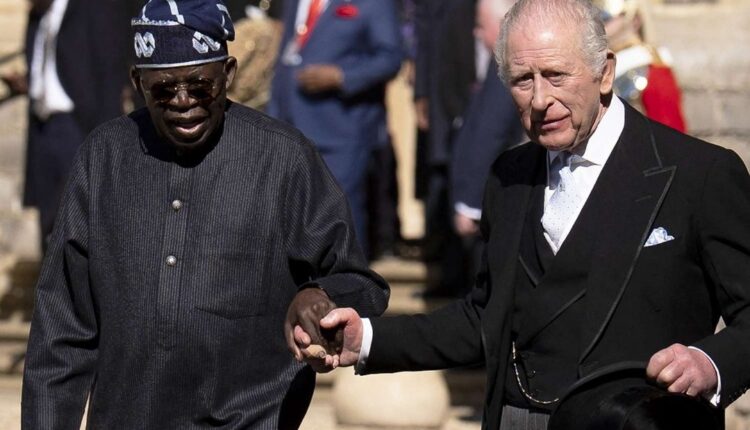
The latest addition is a £746 million loan from the United Kingdom, valued at roughly ₦1.2 trillion, further increasing Nigeria’s financial obligations.
The deal is structured as an export finance facility backed by UK Export Finance, with funding tied to the redevelopment of Lagos ports. This arrangement directs spending toward foreign contractors and suppliers, effectively locking Nigeria into externally driven project execution.
Through this structure, the United Kingdom secures its commercial interests while limiting its risk exposure, leaving Nigeria with long-term repayment commitments.
Within two years, the administration has accumulated an estimated ₦18 trillion to ₦25 trillion in fresh borrowing, as the overall debt stock continues to rise