




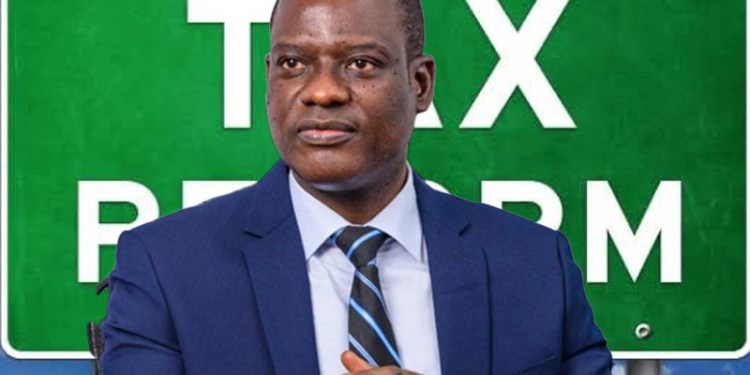

A financial commentator has criticised federal and state governments over what he described as inadequate public sensitisation ahead of the March 31, 2026 deadline for filing personal income tax returns across Nigeria. Speaking in a video message circulating online, the commentator, who identified himself as Online Banker, expressed concern that while the government has announced a compulsory tax filing deadline, many Nigerians remain uninformed about how to comply with the new requirements under the ongoing tax reforms.
According to him, several State Internal Revenue Services (SIRS) — including those of Lagos, Kano, Rivers, Anambra, and the Federal Capital Territory (FCT) — are expected to collect taxes from residents but have not done enough to educate the public on the process. “The government is saying that everyone must file their taxes by the 31st of March 2026, but we are not seeing enough effort in educating people on how to do this,” he said. “What community outreach have the revenue services done? Have they gone to the markets or local communities to explain these reforms? We are not seeing that.”
He noted that many Nigerians are willing to pay their taxes but lack clear guidance on procedures, documentation, and available filing channels. He questioned whether taxpayers are expected to physically queue at revenue offices nationwide or rely solely on online platforms, adding that there is little clarity on required forms or employer-issued documents.
The commentator further explained that even salaried workers whose employers already deduct Pay-As-You-Earn (PAYE) tax are still required to file returns if they have additional sources of income. He stressed that such individuals must declare their income by the March 31 deadline. Importantly, he added that even tax-exempt individuals are required to file declarations, noting that “the government does not automatically know that you are tax exempt unless you declare.”
Describing 2026 as the first year of a major tax reform, he argued that state revenue services have not done enough to prepare citizens for compliance, warning that widespread ignorance could undermine the success of the reforms. “The idea is to generate revenue for the federation, so this should be taken seriously,” he said, calling on government agencies to intensify public awareness campaigns and provide clear, accessible information to Nigerians.
He concluded by urging authorities to improve communication and invited members of the public to share any additional information they may have on the tax reforms, stressing that effective education is key to achieving compliance.