





By Uzoh Victory
The way people dress has changed significantly over the years. There was a time when how young people dressed was strongly influenced by culture, family values and respect. In many Nigerian communities, revealing too much of the body was considered shameful and unacceptable. Parents would even warn their children who dressed in a way they considered inappropriate.
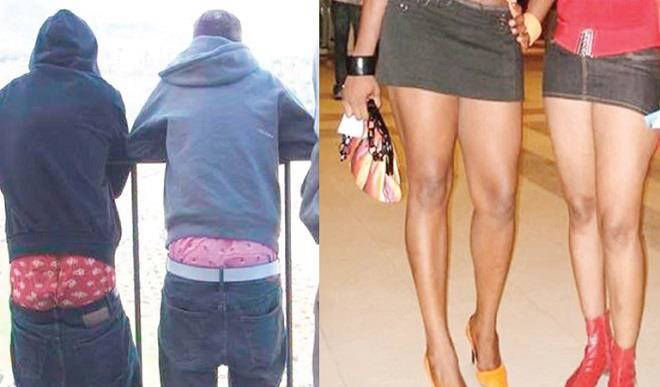
Today, the situation is gradually changing. Clothes that would once have attracted serious criticism are now often regarded as normal fashion. Some young people appear in very short dresses, transparent outfits, revealing tops and clothes that expose parts of the body, yet little or nothing is said about it.
One of the factors contributing to this change is parental neglect.
Some parents no longer pay close attention to how their children are dressing. Rather than correcting them, they allow them wear whatever they want to. Sometimes, because they do not want to be seen as controlling. Whereas, children who are not properly guided may grow up believing that every fashion trend is acceptable.
Peer pressure also plays an important role. Young people often want to look like their friends to fit into a particular social group. When revealing dressing becomes common among a group of friends, someone who dresses modestly may feel old fashioned or left out. Social media has also increased the pressure, as young people constantly see celebrities, influencers displaying different fashion styles.
Another factor is lack of exposure and proper enlightenment. A person who has not been taught about proper dressing or modesty, self-respect and proper appearance may easily follow whatever is trending. Education does not mean forcing anyone to dress the same way; rather, it helps people understand that being fashionable does not require exposing everything.
This is why parents, schools, religious institutions, and society as a whole, and even the church, have a role to play in re-educating young people. Correction should not be based on insults or humiliation. Young people need guidance on why certain dresses may be inappropriate for particular places or occasions. Being beautiful does not necessarily mean showing more of the body.
With proper exposure and enlightenment, a person can understand that confidence, cleanliness, good appearance and decent dressing can also make someone attractive.
Fashion will continue to change, but parents should not abandon their responsibility to guide their children. Society may accept new trends but the values of decency, self-respect and appropriate dressing should not be forgotten.