




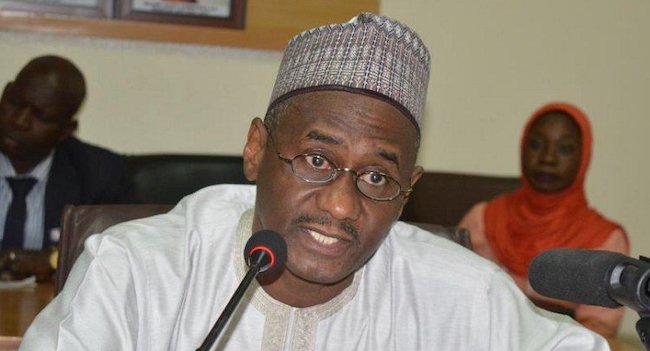

Former Executive Secretary of the National Health Insurance Scheme (NHIS), Professor Usman Yusuf, has accused Nigerian state governors of failing to inform President Bola Ahmed Tinubu about the growing hunger and economic hardship facing ordinary citizens across the country.
According to Report, Yusuf, who made the comments during a televised interview, claimed that state governors are responsible for nearly 80 per cent of the nation’s problems, accusing them of neglecting their constitutional responsibility to provide welfare services.
“Mr. President, if they are not telling you the truth, listen to me—I’m telling you the truth: there is hunger in the land,” Yusuf said.
“Whatever they are telling you is not true, and your government is doing nothing to address this tragedy that is befalling our people in a country of abundance.”
He questioned the Federal Government’s claims of disbursing ₦419 billion under the Conditional Cash Transfer programme, asking for accountability and evidence of beneficiaries.
Yusuf, a haematologist and bone marrow transplant specialist, further stated that governors are mismanaging resources, enriching themselves while citizens suffer.
He lambasted the governors for “failing to show anything tangible on the ground,” despite receiving increased allocations following the removal of fuel subsidies.
“All they are doing is globetrotting, building houses and bridges abroad while our people are dying of hunger,” he said.
Yusuf argued that it is not the role of the central government to provide basic services such as local employment, schools, and hospitals, but rather the job of the state and local governments, which he said have been stifled by governors.
He acknowledged President Tinubu’s attempt to liberate local governments from the grip of state executives, but said the effort has so far achieved little.
“The governors are still holding onto funds. We don’t see meaningful development.
Where is all the money going?” Yusuf asked.
Yusuf has remained a vocal critic of state leadership, maintaining that genuine reform in Nigeria must start with holding governors accountable for grassroots development failures.