




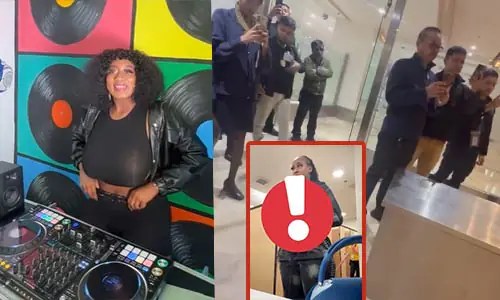

Stripped, Filmed, and Detained: Nigerian DJ Accuses Philippine Immigration of Racism and Inhumane Treatment Despite Traveling with a Valid Visa
Nigerian disc jockey Rachel Oluwabukola Martins, popularly known as DJ Dimple Nipple, has accused Philippine immigration authorities of racism, harassment, and inhumane treatment during a recent trip to Manila.
In a statement titled My Manila Immigration Nightmare, shared on Instagram, Martins claimed she and her best friend were stripped, filmed, and forced to sleep on the floor of a detention-like facility despite possessing valid visas, return tickets, and support from the Nigerian Embassy.
According to her account, she had travelled to Manila for a scheduled performance, having made all necessary preparations, including securing sponsorship from an event organiser and ensuring sufficient travel documentation. Their flight left Lagos at 3 PM on a Friday, arriving in Qatar around 12:20 AM, before connecting to Manila. After a delayed departure due to weather, the second leg lasted over nine hours, and they landed in Manila at approximately 4 PM.
Martins said their trouble began the moment they approached the immigration counter. Despite offering polite greetings and presenting passports and supporting documents—including sponsorship confirmation and proof of funds—they were subjected to cold treatment by officers. She disclosed that she carried $500 and had cards for backup, and reiterated that they were invited by CCMNL, the event organisers.
After initial checks and photo capture, the two were taken to the immigration supervisor’s office without explanation and left for hours. When Martins requested to use the restroom, a male officer accompanied her, which she described as intimidating. Both she and her companion were later interrogated separately. Questions turned personal, especially regarding their sponsor, her Nigerian husband, and her immigration records.
The situation escalated as their baggage tags were collected and they were led to customs. Martins claimed over 30 officers were present during an extensive search. Their luggage, personal belongings, and even underwear were examined in full view, while several officers recorded them. Sniffer dogs were brought in twice, once to check their belongings and again to sniff their bodies. Mounted cameras reportedly filmed the entire process, and when they attempted to record for their own safety, they were told it was prohibited.
Despite the invasive search yielding no incriminating items, they were instructed to return to immigration, where they were eventually informed they would not be allowed into the country. No official reason was given, and when asked, an officer reportedly described it as a personal decision.
Attempts by CCMNL and the Nigerian Embassy in Manila to intervene were unsuccessful. With their return flight scheduled for the following day, they were taken to a holding area described by Martins as resembling a detention center. Inside were other detained individuals, including several Africans and fellow Nigerians, some of whom had allegedly been held for extended periods.
Martins stated that despite further efforts from the Nigerian Embassy—including emails, calls, and physical visits—Philippine authorities maintained their decision to deny entry. Embassy officials who arrived by 4 AM promised to return after leaving at 6 AM, but by then, the two women were cold and sleep-deprived. Requests for basic necessities like blankets or cardboard were denied, and they had to resort to using plastic bags and cartons to rest. According to Martins, people in the holding area had to pay for essential items, and some had not seen sunlight in months. Cameras were reportedly installed throughout the facility, including restrooms.
While awaiting their return flight, Martins described her experience as traumatic and degrading, calling for accountability from Philippine authorities. She expressed disappointment that, despite holding valid documents, sponsorship, and embassy support, they were denied entry and treated without dignity or explanation.
She urged the Nigerian government to address what she described as an increasing trend of mistreatment against its citizens abroad. In a separate Instagram post, she questioned why visas were being issued to Nigerians if they were only going to be detained and humiliated upon arrival. She criticised the practice of collecting visa fees only to subject visitors to unjust treatment, suggesting that if Nigerians were truly unwelcome, the Philippines should impose an outright travel ban rather than engaging in what she described as extortion and racial profiling.
As of press time, Philippine authorities have not responded to the allegations.