



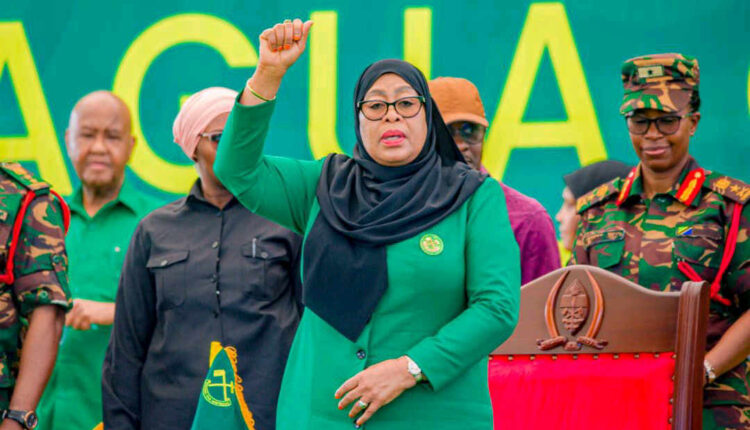

Tanzania’s First Female President Samia Suluhu is seeking re-election October 29. All her opponents have been jailed and disqualified. Major political opponents have also been abducted, and their whereabouts whereabouts remain unknown. Freedom of expression has also come under attack.
She has imposed restrictions on social media, including banning the platform X (formerly Twitter) Tanzania’s first female president, Samia Suluhu Hassan, is seeking re-election on October 29, but her bid for a second term is being overshadowed by allegations of widespread political repression, abductions of opponents, and a tightening grip on dissent.
In what rights groups describe as one of the most repressive pre-election periods in the country’s history, virtually all of Suluhu’s major rivals have been jailed, disqualified, or abducted in the months leading up to the polls.
Among the most recent victims is Humphrey Polepole, Tanzania’s former ambassador to Cuba and a prominent member of the ruling Chama Cha Mapinduzi (CCM) party.
Polepole was reportedly abducted from his home in Dar es Salaam after publicly criticizing the president and accusing the ruling party of abandoning “institutional integrity” for personal gain. His whereabouts remain unknown, fueling widespread public concern and anger.
Polepole’s disappearance is part of a disturbing pattern. Opposition activists, journalists, and critics have faced increasing intimidation since Suluhu took office in 2021 following the death of her predecessor, John Magufuli.
While Suluhu initially won praise for her conciliatory tone and promises of reform, her administration has since grown increasingly authoritarian, replacing seasoned officials with loyalists and silencing dissenting voices across media and civil society.
The main opposition party, Chadema, remains under a court-ordered ban, while its leader Tundu Lissu faces treason charges after campaigning for electoral reform.
Another major opposition candidate from ACT Wazalendo has been barred from contesting, effectively removing any serious challenge to the ruling party’s dominance.
Freedom of expression has also come under attack. The government has imposed restrictions on social media, including banning the platform X (formerly Twitter) and limiting the operations of local forums like JamiiForums. Security agencies have reportedly conducted “online patrols” to monitor and intimidate critics, while independent media outlets operate under heavy censorship.
Despite Tanzania’s constitutional framework for multiparty democracy, the CCM has never lost a national election since the system was introduced in 1992.
This year’s nomination process further underscored Suluhu’s consolidation of power, as she secured the party’s presidential ticket through a closed internal process that sidelined influential rivals and excluded dozens of senior members perceived as disloyal.
International concern is mounting. UN experts in June called on the Tanzanian government to halt a wave of enforced disappearances that have intensified since mid-2024. However, investigations rarely lead to accountability, with state security agencies widely suspected of orchestrating the abductions.
As the October 29 election draws closer, tensions are rising across the country. Economic hardship, high food prices, and growing anger over political repression have fueled fears of unrest.
While the government maintains tight control over public gatherings and online discourse, many Tanzanians are quietly expressing frustration — and some draw inspiration from recent pro-democracy protests in Kenya, Mozambique, and Madagascar.
With most credible opponents eliminated, observers warn that the upcoming election risks being little more than a ceremonial exercise, reinforcing the CCM’s dominance while deepening Tanzania’s slide into authoritarianism.
